
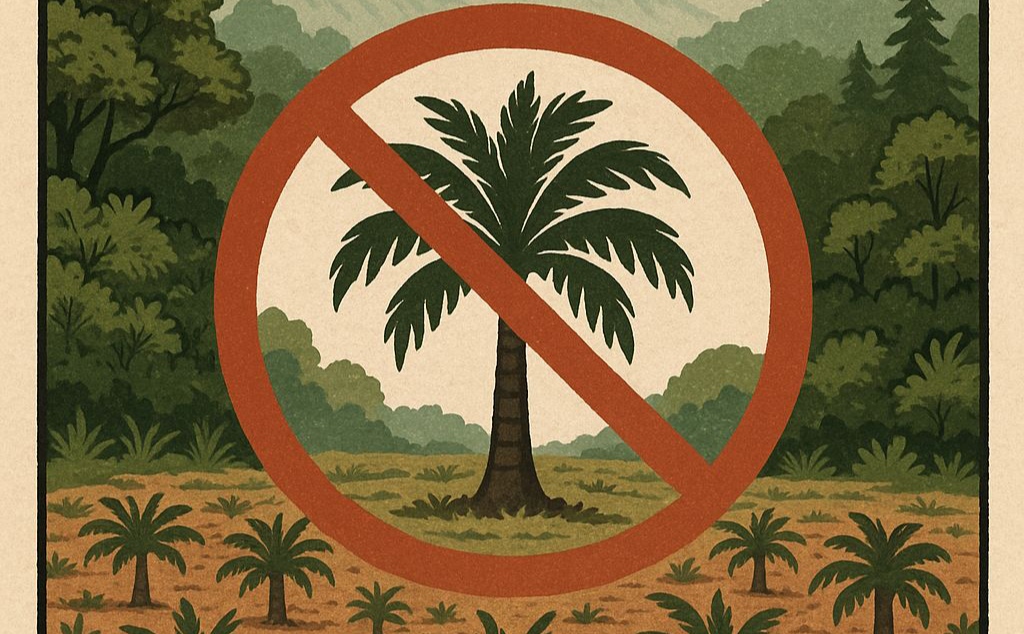
The Ecological Gamble: Palm Oil Cultivation and Manipur’s Fragile Future
Written by Chetan Bachaspatimayum
As the world increasingly shuns palm oil due to its devastating impact on health and the environment, it is perplexing that Manipur is embracing palm oil cultivation. This decision raises significant concerns about the fate of Manipur’s pristine natural landscapes, including its forests and mountains.
The global community has grown wary of palm oil’s destructive consequences, from deforestation and habitat destruction to soil degradation and water pollution. Furthermore, the health risks associated with palm oil consumption, such as increased risk of heart disease and other ailments, have led many countries to impose bans or restrictions.
In stark contrast, Manipur’s decision to promote palm oil plantation seems to disregard these environmental and health concerns. The state’s unique biodiversity, which includes rare and endangered species, is under threat from the widespread cultivation of palm oil. The fragile ecosystem of Manipur’s forests and mountains, which provide essential services like clean air and water, is likely to be severely impacted.
The long-term consequences of palm oil cultivation in Manipur are alarming. The state’s natural beauty, which is a major draw for tourists, may be irreparably damaged. The livelihoods of indigenous communities, which rely on the forest for their survival, are also at risk.
It is essential that the Manipur government reconsider its decision to promote palm oil cultivation and instead explore sustainable alternatives that prioritize environmental conservation and public health.
(The author is an emerging writer and can be reached at chetanbachaspatimayum@gmail.com)
* The views expressed in this article are those of the author and do not necessarily reflect the views of us.